
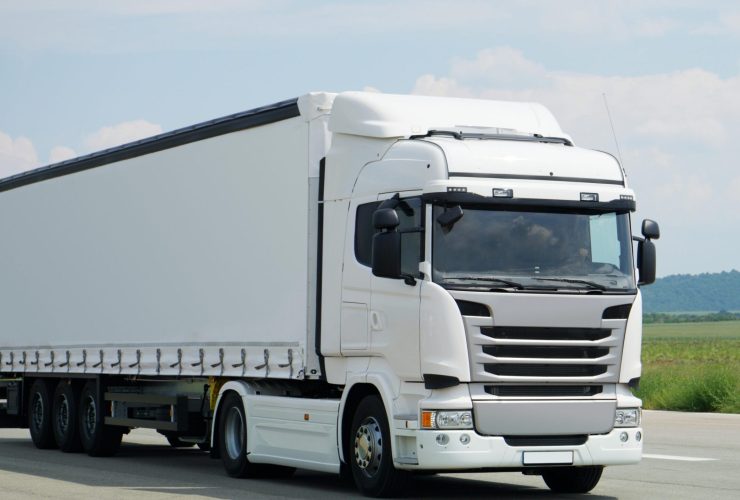
A Category C+E licence, often referred to as a Class 1 HGV licence, allows drivers to operate the largest types of lorries on UK roads. These vehicles typically include articulated lorries and large vehicle and trailer combinations used throughout the logistics and transport industries.
This licence category represents the highest level of heavy goods vehicle qualification and is commonly required for long-distance haulage, large freight transport and major logistics operations.
If you’re planning to build a career in professional driving, understanding the Category C+E licence and how it works is an important step.
What Vehicles Can You Drive With a Category C+E Licence?
A Category C+E licence allows drivers to operate large vehicles with trailers weighing over 750kg. These combinations are commonly used throughout the UK transport sector.
Vehicles you can drive with a Cat C+E licence include:
- Articulated lorries (artics)
- Large articulated freight trucks
- Heavy vehicle and trailer combinations
- Long-distance haulage vehicles
- Supermarket distribution trucks
- Container transport vehicles
These vehicles are widely used for transporting goods across the UK and internationally.
To begin training, you can explore our Class 1 HGV training page.
What Is the Difference Between Category C and C+E?
The main difference between the two licences is the type of vehicle configuration you can drive.
Category C (Class 2) allows drivers to operate rigid lorries where the vehicle and cargo area are a single unit.
Category C+E (Class 1) allows drivers to operate articulated vehicles where the cab pulls a detachable trailer.
You can learn more about the Category C licence in our guide explaining Class 2 HGV licences.
What Jobs Can You Do With a Category C+E Licence?
A Category C+E licence unlocks a wide range of driving roles across the logistics industry. Because articulated lorries are used for transporting large freight loads, Class 1 drivers are essential for national supply chains.
Common jobs for Category C+E drivers include:
- Long-distance haulage driver
- Supermarket distribution driver
- Container transport driver
- Construction logistics driver
- National freight transport driver
- International lorry driver
These roles often involve transporting goods between warehouses, ports and distribution centres.
You can read more about career opportunities in our article on HGV driver demand in the UK.
How to Get a Category C+E Licence
To obtain a Category C+E licence, drivers must complete a structured training and testing process. This typically includes:
- Holding or obtaining provisional HGV entitlement
- Completing an HGV medical
- Passing the LGV theory test
- Completing practical driver training
- Passing the DVSA practical driving test
If you plan to drive professionally, you will also need to complete Driver CPC Module 4 as part of the professional qualification process.
How Long Does It Take to Get a Category C+E Licence?
The time required to obtain a Class 1 licence depends on training availability, experience and how quickly each stage of the licensing process is completed.
Some drivers move through the process quickly by completing medicals, theory tests and practical training in sequence. Others may spread the stages over a longer period.
You can learn more about training timelines in our guide on how to become an HGV driver in the UK.
Where Can You Take Class 1 HGV Training?
Category C+E training is available across the UK through approved HGV training providers.
You can explore locations such as:
- HGV driver training Manchester
- HGV driver training Liverpool
- HGV driver training Warrington
- HGV driver training Birmingham
- HGV driver training Leeds
Choosing a training location close to home can make the learning process easier and more convenient.
You can also browse all locations through our HGV and PCV training locations page.
Is Category C+E the Same as Class 1?
Yes. In the UK transport industry, the terms Category C+E and Class 1 HGV refer to the same licence category.
This licence allows drivers to operate articulated lorries and is considered the highest level of HGV qualification available.
Many drivers progress from Class 2 to Class 1 once they gain experience driving rigid vehicles.
To compare both licences, you can read our guide explaining Class 1 vs Class 2 HGV licences.
Final Thoughts
A Category C+E licence allows drivers to operate the largest commercial vehicles on UK roads and plays a critical role in the national logistics industry.
For drivers looking to maximise their career opportunities and earning potential, obtaining a Class 1 licence is often the ultimate goal.
If you’re ready to take the next step, explore our Class 1 HGV training courses or view our available HGV training programmes.