
Paramedic C1 Licence Training
Get your C1 licence with expert, flexible C1 driver training designed for real-world driving. Our course is ideal for anyone who needs a C1 driving licence to legally drive vehicles between 3.5 and 7.5 tonnes, including ambulances, horseboxes, larger campervans, delivery vans, tippers, flatbeds, utility vehicles and other medium-sized goods vehicles. Whether you are applying for ambulance roles, upgrading your licence for work, or need the correct entitlement for private or business use, our nationwide C1 training gives you a practical route to getting qualified with confidence.
- Course Duration: From 1 to 3 Days (Tailored Packages Available)
- Qualification to Drive: Ambulances, Horseboxes, Large Campervans, Delivery Vans, Box Vans, Tippers, Flatbeds, Utility Vehicles, and Goods Vehicles up to 7.5 Tonnes
Book Your C1 Licence Training
Fill in your details below to get started with your C1 licence training. Whether you need paramedic C1 training, C1 ambulance driver training, horsebox driver training, campervan driver training, or a straightforward route into a full C1 driving licence, we will guide you through every step.

C1 Licence Training – Finance Your C1 Training with Payl8r
We offer flexible payment plans through Payl8r, allowing you to spread the cost of your C1 licence training over manageable monthly instalments without the pressure of paying everything upfront. Secure your place with a simple deposit and choose a repayment term that suits your budget, with finance available up to and repayment periods ranging from 3 to 24 months. Supported by Payl8r’s FCA-authorised, real-time affordability checks, this provides a secure and responsible way to begin your training while staying in full control of your finances.
C1 Licence Packages
Choose the C1 training package that best matches where you are now. Whether you need medical and theory preparation, a short intensive course, or a longer practical programme with more time behind the wheel, our packages are designed to help you move towards a full C1 driving licence with the right level of support.
C1 - Medical & Theory Test Package
Everything you need before practical C1 driver training begins. This package includes your driver medical, LGV theory preparation, hazard perception support and multiple-choice test preparation, giving you a strong start to your C1 licence journey.
C1 - 1 Day Driving Course
A focused, intensive C1 driving course for confident drivers or those who need a short refresher before test. Ideal if you already feel comfortable in larger vehicles and want a fast-track route into practical C1 training.
C1 - 2 Day Driving Course
A balanced C1 training option with more time on the road. This course suits learners who want structured tuition, more driving practice and extra time to build confidence before test day.
C1 - 3 Day Driving Course
Our most in-depth C1 driver training package. Ideal for beginners, nervous drivers, or anyone who wants maximum support and more time to develop safe, confident control of a 7.5 tonne vehicle.
What Is a C1 Licence?
A C1 licence is the entitlement that allows you to drive vehicles between 3.5 tonnes and 7.5 tonnes maximum authorised mass. It sits between a standard car licence and a full Category C HGV licence, which makes it one of the most useful licence categories for drivers who need access to larger vehicles without moving straight into full HGV work. GOV.UK confirms that category C1 covers vehicles between 3,500kg and 7,500kg MAM with a trailer up to 750kg.
That matters because many vehicles people assume they can drive on a standard car licence actually fall into the C1 bracket once weight is looked at properly. Ambulances, horseboxes, larger campervans, some delivery vehicles, box vans, tippers, flatbeds and specialist service vehicles can all fall into this category. GOV.UK’s motorhome guidance also confirms that motorhomes between 3.5 and 7.5 tonnes need category C1.
For many learners, the biggest reason to get a C1 driving licence is career-related. NHS and ambulance employers regularly list C1 as essential or strongly preferred for operational roles, particularly where the vehicle weight exceeds standard car entitlement. That is why paramedic C1 training and C1 ambulance driver training remain such important and high-intent search topics.
C1 Driver Training for 7.5 Tonne Vehicles
Short Notice C1 Training Available
A C1 licence is one of the most useful licence categories in the UK because it sits between a standard car licence and full HGV training. It opens the door to more specialist vehicles, more job opportunities, and more flexibility in how you use your licence day to day. GOV.UK confirms that category C1 covers vehicles between 3,500kg and 7,500kg MAM with a trailer up to 750kg, which is exactly why it is relevant to such a wide range of drivers.
This is not just for one type of driver. Our C1 ambulance driver training is popular with aspiring paramedics and ambulance support staff, but we also work with horsebox owners, campervan and motorhome drivers, delivery drivers, tradespeople, tipper drivers and flatbed drivers who need to drive safely and legally above the standard car licence limit.
Our C1 driver training is designed for people who need a practical, flexible route into driving vehicles up to 7.5 tonnes. That includes aspiring paramedics, ambulance support staff, private medical transport drivers, horsebox owners, campervan and motorhome drivers, delivery drivers, tradespeople, and anyone needing a C1 licence for work or lifestyle reasons. Instead of treating C1 as a niche course for one profession, we build the training around the full range of people who genuinely need this entitlement.
You do not need previous HGV experience to start. If you hold a full UK car licence and meet the medical and theory requirements, you can begin the process of adding higher categories to your licence. The category itself is straightforward in principle, but many learners benefit from proper instruction because they have never driven a vehicle this size before. That is where structured C1 training makes a real difference.
Whether your goal is paramedic licence training, horse box driver training, campervan driver training, tipper driver training, or flat bed driver training, the aim is the same — to get you safe, legal and confident behind the wheel.
A C1 licence is a useful category because it crosses over multiple sectors. It supports emergency services recruitment, allows access to many larger motorhomes and horseboxes, and can help open the door to practical driving jobs involving 7.5 tonne vehicles.
What’s Included in the C1 Training Course
Our C1 training is designed to give you the full route into a legal, test-ready and genuinely usable C1 driving licence. Depending on the package you choose, this can include your driver medical, theory preparation, hazard perception support and practical driving tuition in a suitable 7.5 tonne vehicle. The course is suitable for ambulance applicants, horsebox drivers, campervan and motorhome users, delivery drivers, tipper drivers, flatbed drivers and anyone else needing to drive in the C1 category.
Who Needs a C1 Licence
A C1 licence is needed by a wide mix of drivers, not just paramedics. It is commonly required for ambulances, horseboxes, larger campervans and motorhomes, 7.5 tonne box vans, local authority vehicles, delivery work, utility vehicles and other medium-sized goods vehicles. GOV.UK confirms the category covers vehicles between 3,500kg and 7,500kg MAM, while motorhome guidance confirms that many larger campervans sit within this range.
Where Do You Offer C1 Training
We provide C1 driver training across multiple depots in England, with flexible booking options and short-notice availability at selected locations. Training is available through our centres in Wigan, Chorley, Accrington, Sheffield, Lichfield, Bedworth, Milton Keynes and London, supported by a wide network of regional landing pages to make local access easier.
How Long Does the C1 Training Take
We offer 1-day, 2-day and 3-day C1 training courses, depending on your confidence and experience. Most learners complete their practical training within that window, with the wider process also including medical, theory and booking lead times.
Can I Spread the Cost of C1 training
Yes. Finance is available on selected C1 licence training packages through Payl8r, helping you spread the cost of your course over manageable monthly payments rather than paying the full amount upfront.
With a C1 (7.5 Tonne) Licence You Can Drive
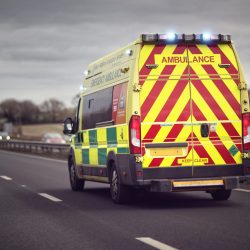
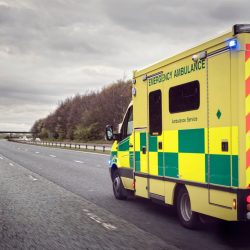
Ambulances
Emergency and non-emergency ambulances used by paramedics, ambulance technicians and medical transport providers.
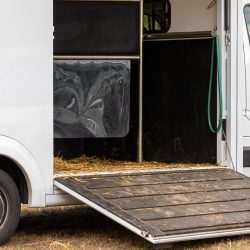
Horseboxes
Larger horse transport vehicles used for private, competition or business use where the weight exceeds a standard car licence limit.
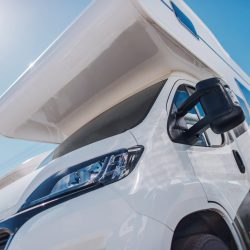
Campervans
Motorhomes and campervans that fall above 3.5 tonnes and require category C1 entitlement.
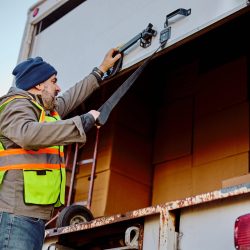
Box Vans
7.5 tonne box vehicles used for deliveries, removals, retail distribution and logistics work.
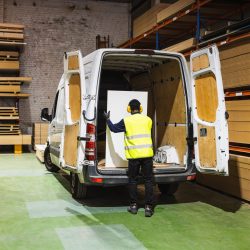
Delivery Van
Medium-sized delivery vans and trucks used by courier, parcel and distribution companies.
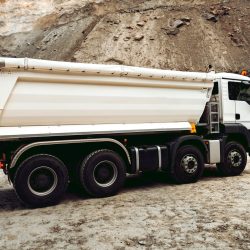
Tippers
Construction and groundwork vehicles used for carrying aggregates, soil, waste and site materials.
Flatbeds
Open platform vehicles used for transporting plant, equipment, materials and machinery.
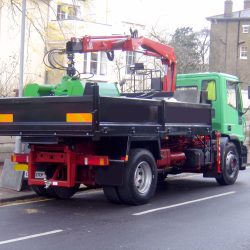
Authority Vehicles
Specialist council and public-service vehicles used for maintenance, highways, waste and support work.
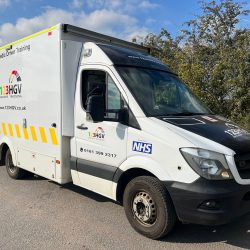
Utility Vehicles
Larger work vehicles used by tradespeople, contractors and service teams carrying tools, stock and equipment.
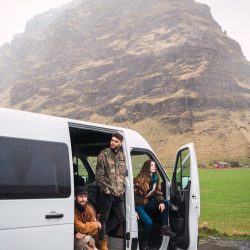
Service Vehicles
A range of medium-sized operational vehicles used in sectors where payload and vehicle size exceed ordinary car-licence limits.
Pass Your C1 Test and Walk Into a Job – Interview Guaranteed
Whether you are training for paramedic work, ambulance support, delivery driving or another 7.5 tonne role, every successful C1 trainee gets a guaranteed interview. A C1 licence is not just a legal entitlement — it is a practical qualification that can support work across emergency services, transport, logistics and specialist vehicle roles.
Speak to One of Our C1 Training Experts
How to Get a C1 Licence
Getting a C1 licence is a straightforward process when broken down properly. The exact order can vary slightly depending on your booking dates and the package you choose, but most learners follow the same core route.
- Apply for your provisional C1 licence entitlement
- Complete your driver medical
- Pass the theory and hazard perception tests
- Start your practical C1 driver training
- Pass your practical driving test
The most important part is not just passing the test, but learning how to handle a 7.5 tonne vehicle safely in real conditions. That is why choosing the right C1 training matters. Good training builds confidence, prepares you properly for test day, and makes the licence more useful once you are on the road.
C1 Licence – Frequently Asked Questions
What is a C1 licence and who needs it?
Many NHS and ambulance roles require provisional or full C1 entitlement either at application stage or before starting. Live NHS job adverts continue to show that C1 is an important requirement for operational ambulance and paramedic roles.
Do I need a C1 licence to become a paramedic?
Many NHS and ambulance roles require provisional or full C1 entitlement either at application stage or before starting. Live NHS job adverts continue to show that C1 is an important requirement for operational ambulance and paramedic roles.
Can I go straight to C1 training from a car licence?
Yes, provided you hold a full UK car licence and complete the required steps such as medical and theory. The C1 category sits above ordinary car entitlement, so proper training and testing are needed unless you already hold the entitlement.
Do I need a C1 licence for a campervan?
If the campervan or motorhome has a MAM between 3.5 and 7.5 tonnes, yes. GOV.UK specifically states that motorhomes in that weight bracket require category C1.
Do I need a C1 licence for a horsebox?
If the horsebox falls between 3.5 and 7.5 tonnes, you will normally need C1. This is why horse box driver training is such a common use case for the licence category.
Is Driver CPC required with a C1 licence?
Driver CPC is generally required if you drive a lorry, bus or coach as the main part of your job, but exemptions do apply. GOV.UK specifically notes that non-commercial carriage of passengers or goods can be exempt, and emergency ambulance service use is also listed within the exemption guidance.
How much does C1 training cost?
Our medical and theory package starts, with practical C1 driver training depending on course duration and support required.
Can I spread the cost of my C1 training?
Yes. We offer flexible finance options including Payl8r, allowing you to spread the cost of your C1 licence training over manageable monthly payments.
Where We Offer Our C1 Training
We provide C1 training across a wide area of the UK through our training network. Whether you are looking for C1 ambulance driver training, paramedic licence training, horsebox driver training, or campervan driver training, our coverage makes it easier to find the right route near you.