
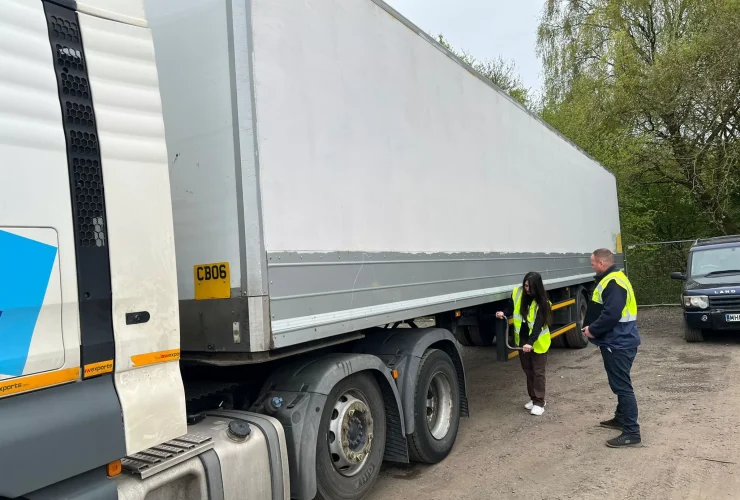
If you’re researching a career in professional driving, one of the first questions you’ll likely ask is: what exactly is a HGV licence? In simple terms, a HGV licence allows you to legally drive large goods vehicles for commercial purposes in the UK.
However, not all HGV licences are the same. Different licence categories allow you to drive different vehicle types, weights, and combinations, depending on your career goals.
What Does HGV Stand For?
HGV stands for Heavy Goods Vehicle. These are vehicles used to transport goods that exceed 3,500kg (3.5 tonnes). Once you move beyond this weight, a standard car licence is no longer sufficient.
HGV licences are regulated by the DVSA and require a combination of medical checks, theory tests, and practical driving assessments.
Types of HGV Licences Explained
There are several HGV licence categories, each unlocking different driving opportunities:
- Category C1 – for vehicles between 3.5 and 7.5 tonnes
- Category C (Class 2) – for rigid lorries over 7.5 tonnes
- Category C+E (Class 1) – for articulated lorries and drawbar combinations
If you’re unsure where to start, understanding the differences between HGV Class 2 (Cat C) and HGV Class 1 (Cat C+E) is a good first step.
What Can You Drive With a HGV Licence?
The vehicle you can drive depends entirely on your licence category. A Class 2 licence allows you to drive rigid lorries, while a Class 1 licence qualifies you to drive articulated vehicles commonly used in long-haul logistics.
Those entering emergency services or specialist roles often begin with a C1 licence for 7.5 tonne vehicles, which is popular for ambulance and paramedic drivers.
How Do You Get a HGV Licence?
Getting a HGV licence involves several stages:
- Applying for a provisional HGV entitlement
- Completing a driver medical
- Passing theory and hazard perception tests
- Completing practical driving tests
Many learners choose structured routes such as step-by-step HGV training programmes to make the process more straightforward.
Where Can You Train for a HGV Licence?
Training location plays an important role in availability and scheduling. Working with providers offering established HGV driver training in Preston, HGV training in Warrington, or HGV training across Greater Manchester can help reduce delays.
Training locally also makes it easier to arrange additional lessons or retests if required.
How Long Does a HGV Licence Last?
Once obtained, a HGV licence typically lasts until the age of 45. After that, renewals are required every five years, along with updated medical assessments.
Ongoing professional drivers will also need to complete periodic CPC training to remain compliant.
Is a HGV Licence Worth It in 2026?
With ongoing driver shortages and strong demand across logistics, construction, and retail supply chains, HGV licences continue to offer stable career prospects.
For many, gaining a HGV licence is not just about driving — it’s about long-term job security, flexibility, and progression opportunities.
Final Thoughts
A HGV licence is your gateway into professional goods vehicle driving. Choosing the right licence category, training route, and provider can significantly impact how quickly and confidently you qualify.
Understanding your options upfront helps ensure your investment leads to the career you’re aiming for.