
If you are thinking about becoming a professional driver, one of the first questions people ask is: what jobs can you get with a Class 2 licence?
A Class 2 HGV licence, also known as a Category C licence, allows you to drive large rigid vehicles over 3.5 tonnes. These vehicles are widely used across the logistics, retail, construction and waste management industries.
Because rigid lorries are used throughout the UK supply chain, Class 2 drivers are consistently in demand across many sectors.
You can learn more about the qualification itself through our Class 2 Category C HGV training programmes.
Supermarket and Retail Delivery Driver
One of the most common roles for Class 2 drivers is delivering goods to supermarkets, retail stores and distribution centres.
Large retailers rely heavily on rigid HGV vehicles to move stock between warehouses and stores. Drivers typically operate within regional delivery routes and may complete multiple deliveries per shift.
Many drivers enter these roles shortly after completing HGV driver training.
Construction and Building Materials Driver
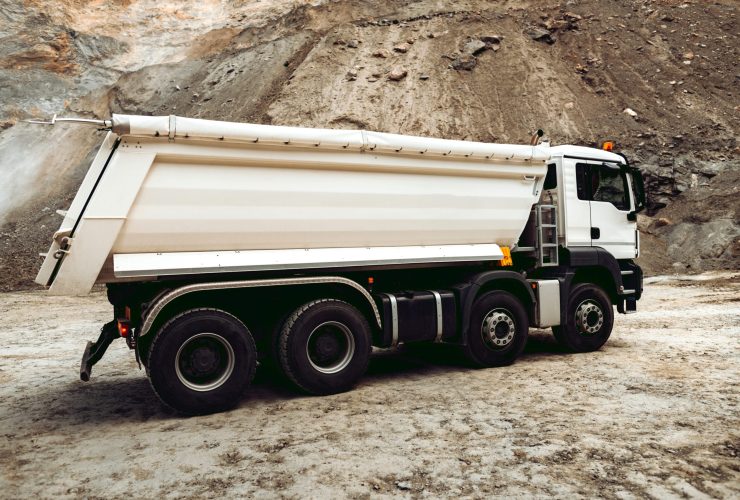
The construction industry frequently uses rigid HGV vehicles to transport building materials such as bricks, timber, steel and aggregates.
These vehicles are ideal for delivering heavy loads to construction sites that may not be accessible for larger articulated trucks.
Drivers working in this sector often operate vehicles equipped with cranes or specialist loading equipment.
Waste Collection and Recycling Driver
Local councils and private waste management companies employ large numbers of Class 2 drivers to operate refuse and recycling vehicles.
These vehicles are typically rigid lorries designed for urban driving and regular collection routes.
This type of role is particularly common in towns and cities where waste collection vehicles operate daily.
Furniture and Appliance Delivery
Large retailers and logistics companies often use Class 2 vehicles to deliver furniture, appliances and large consumer goods.
These roles usually involve multi-drop delivery routes and may include assisting with unloading goods at residential addresses.
Rigid vehicles provide the capacity needed to transport bulky goods while still being manageable in residential areas.
Regional Logistics and Distribution
Many logistics companies operate fleets of rigid HGV vehicles to move goods between warehouses, depots and distribution centres.
Drivers working in these roles typically complete regional transport routes rather than long-distance haulage.
This makes Class 2 driving an excellent starting point for those entering the transport industry.
What Vehicles Can You Drive With a Class 2 Licence?
A Class 2 licence allows drivers to operate rigid vehicles weighing over 3.5 tonnes with a trailer up to 750kg.
Common vehicles include:
- Rigid HGV lorries
- Large delivery trucks
- Construction transport vehicles
- Waste collection vehicles
- Municipal service vehicles
If drivers want to operate larger articulated vehicles, they may choose to upgrade to a Class 1 Category C+E licence.
Where Can You Take Class 2 Training?
Class 2 HGV training is available at locations across the UK through approved training providers.
You can explore training options in locations such as:
- HGV training Manchester
- HGV training Liverpool
- HGV training Wigan
- HGV training Leeds
- HGV training Birmingham
Training providers help prepare drivers for the DVSA practical test and professional driving careers.
Can You Earn Good Money With a Class 2 Licence?
Yes. Class 2 drivers can earn competitive salaries depending on experience, industry and working hours.
Many drivers earn between £32,000 and £38,000 per year, with opportunities to increase earnings through overtime, night shifts or specialist transport roles.
Some drivers later progress to articulated vehicles by upgrading to a Class 1 licence, which can open the door to higher-paying long-distance driving jobs.
Final Thoughts
A Class 2 licence provides access to a wide range of driving careers across the UK logistics and transport industry.
From supermarket deliveries and construction transport to waste management and regional logistics, rigid HGV vehicles play a vital role in the national supply chain.
If you are considering entering the industry, completing Class 2 HGV training is often the first step toward a professional driving career.