
If you have been researching larger vehicles, ambulance roles, horseboxes, campervans, or 7.5 tonne driving jobs, you have probably come across the term C1 licence. It is one of the most searched licence categories in the UK, yet it is also one of the most misunderstood. Many drivers are not fully sure what a C1 licence is, what it covers, whether they already have one, or how to get it.
In simple terms, a C1 licence allows you to drive vehicles between 3.5 tonnes and 7.5 tonnes. That makes it a very important category for a wide range of drivers, including ambulance staff, horsebox owners, campervan and motorhome users, delivery drivers, tipper drivers, flatbed drivers, and anyone moving into medium-sized commercial vehicles.
If your goal is to move beyond a standard car licence and drive larger vehicles legally and confidently, proper C1 licence training is the logical next step. In this guide, we will break down exactly what a C1 licence means, what vehicles it covers, who needs one, why it matters, and how to get one.
Contents
- What a C1 Licence Actually Means
- What Vehicles Can You Drive with a C1 Licence?
- Who Needs a C1 Licence?
- Do You Already Have a C1 Licence?
- Why People Get a C1 Licence
- How to Get a C1 Licence in the UK
- Do You Need a Medical for a C1 Licence?
- Is Driver CPC Required with a C1 Licence?
- C1 Licence for Ambulances, Horseboxes and Campervans
- How Long Does It Take to Get a C1 Licence?
- C1 Training Near You
- Start Your C1 Training with 123HGV
What a C1 Licence Actually Means
A C1 driving licence is the category that allows you to drive vehicles over 3,500kg and up to 7,500kg maximum authorised mass. In plain English, it sits between a standard car licence and a full HGV Class 2 licence. That is why it is often described as a 7.5 tonne licence.
It is an incredibly useful licence category because it opens the door to a range of vehicles that many people need for work or lifestyle reasons, but without taking the full step into larger HGV categories straight away. For some people, it is a career requirement. For others, it is about practicality, convenience, or compliance.
The confusion usually comes from the fact that many people assume a standard car licence covers more than it actually does. Once the vehicle weight moves above 3.5 tonnes, the situation changes, and that is where the C1 category becomes so important.
What Vehicles Can You Drive with a C1 Licence?
A C1 licence covers a wide range of vehicles. That is one of the reasons it attracts so much interest in search.
With the correct entitlement, you may be able to drive:
- ambulances
- horseboxes
- large campervans and motorhomes
- 7.5 tonne box vans
- delivery vehicles
- utility and service vehicles
- tippers
- flatbeds
- certain local authority vehicles
This makes the category highly relevant to both private drivers and professional drivers. If you want a deeper breakdown of vehicle types, it also makes sense to read our guide on what you can drive with a C1 licence.
Who Needs a C1 Licence?
There is a common misconception that C1 is only for paramedics or ambulance drivers. That is not true. While paramedic C1 training and C1 ambulance driver training are major use cases, the licence is relevant to a much wider audience.
You may need a C1 licence if you are:
- an aspiring paramedic or ambulance technician
- a horsebox owner needing to transport horses legally
- a campervan or motorhome owner using a heavier vehicle
- a delivery driver moving into 7.5 tonne work
- a tradesperson using larger vehicles for tools and materials
- a tipper driver or flatbed driver working in construction or groundwork
- someone moving into medium-duty transport roles
Because the licence sits in such a practical middle ground, it often becomes the first serious upgrade people make once a normal car licence is no longer enough.
Do You Already Have a C1 Licence?
This is one of the most common C1 questions online, and understandably so. Some drivers may already have C1 entitlement depending on when they passed their driving test, while others will need to apply and qualify for it.
If you are unsure, do not guess. Check your licence properly. Relying on assumptions is exactly how drivers end up in awkward or non-compliant situations. If this is the question you are currently stuck on, our existing guide on do I already have a C1 licence? is worth reading as a follow-on.
Why People Get a C1 Licence
People get a C1 licence for different reasons, but they usually fall into one of three categories: work, opportunity, or practicality.
For some, it is career-driven. Ambulance roles, private patient transport, delivery work, logistics, and certain service roles can all require or favour C1 entitlement.
For others, it is about personal use. A horsebox owner may want the flexibility to transport horses without relying on someone else. A campervan owner may want the freedom to legally drive a larger motorhome. Someone else may simply want to widen their options and future-proof their licence.
Then there is the practical side. Once you hold a C1 licence, you are no longer boxed into standard car-sized vehicle limits. That opens up more vehicle choice, more work opportunities, and more flexibility overall.
How to Get a C1 Licence in the UK
If you do not already hold the entitlement, getting a C1 driving licence normally involves a clear step-by-step process. While the exact order can vary slightly depending on how you book things, the general route is straightforward.
Most learners will need to:
- apply for provisional C1 entitlement
- complete a driver medical
- pass the relevant theory and hazard perception tests
- complete practical C1 driver training
- pass the practical driving test
This is where good training really matters. A lot of people focus too much on the test itself and not enough on learning how to handle the vehicle safely, confidently and properly. The best route is not just to scrape through a test, but to come out of training genuinely ready to drive the vehicles your licence covers.
If you are at the stage of wanting to move forward, our main C1 driver training page explains the training route in more detail.
Do You Need a Medical for a C1 Licence?
In many cases, yes. A medical is a normal part of the process when applying for higher vehicle categories, including C1. This is one of the areas that puts some people off initially, but in reality it is just another step in the process and is there for good reason.
The medical helps confirm that you are fit to drive vehicles in this category safely. In practice, it is simply part of moving from ordinary car entitlement into a licence category that covers larger and heavier vehicles.
Many good training providers will help you organise this as part of the overall process, which makes the whole journey much easier to manage.
Is Driver CPC Required with a C1 Licence?
This depends on what you are using the vehicle for.
Some drivers assume that getting a C1 licence automatically means they need Driver CPC in every situation. Others assume the opposite. Neither blanket assumption is ideal. Whether CPC applies depends on the nature of the work and how the vehicle is being used.
For example, some professional or commercial driving roles involving goods transport may require CPC, while some other uses may fall under exemptions. This is why it is always important to look at the purpose of the driving, not just the vehicle category on its own.
That is another reason why good advice and proper training matter. It is not just about what licence you need, but also what wider rules may apply once you start using it.
C1 Licence for Ambulances, Horseboxes and Campervans
These are three of the biggest reasons people search for C1 information, and each comes with slightly different intent.
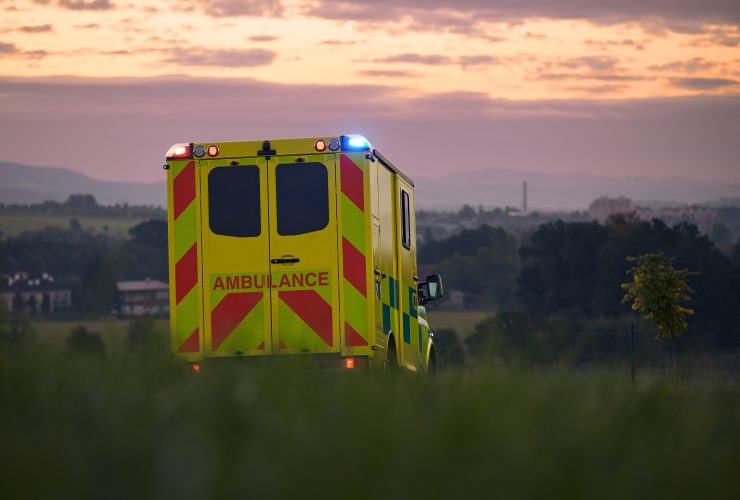
Ambulances: many aspiring paramedics and ambulance support staff need C1 because standard car entitlement is not enough for the vehicles involved. That is why searches around paramedic C1 training and paramedic licence training are so common.
Horseboxes: horsebox drivers often move into C1 because the weight of the vehicle goes beyond normal car licence limits. If you own or plan to buy a horsebox, getting the right licence is about both legality and confidence.
Campervans and motorhomes: many people are surprised to discover that a larger campervan or motorhome may need C1 entitlement. This is one of the fastest-growing lifestyle-driven reasons people look into the licence category.
All three of these examples show why the C1 category matters so much. It is not just a technical licence classification. It is something that directly affects career options, vehicle ownership, and everyday practicality.
How Long Does It Take to Get a C1 Licence?
The honest answer is that it depends on your starting point, booking availability, and how quickly you move through the medical, theory and practical stages.
Some learners move through the process fairly quickly, especially if they are organised and book efficiently. Others take a little longer because they need to space out the process or build more confidence before the practical test.
The key point is that it is not something that needs to drag on for months unnecessarily. With the right support and the right provider, the process can be clear, structured and manageable.
C1 Training Near You
If you are searching for C1 training near you, it helps to work with a provider that understands the different reasons people need the licence. Some learners need it for ambulance roles, some for horseboxes, some for campervans, and some for 7.5 tonne work vehicles. A good provider should be able to support all of those use cases without making the course feel narrow or overly generic.
The strongest route is always to make sure the training matches the real reason you need the licence. That gives you a better result than simply chasing the fastest possible booking without considering quality, support or suitability.
Start Your C1 Training with 123HGV
If you now know that you need a C1 licence, the next step is to take action. The sooner you start the process, the sooner you can move forward with ambulance work, horsebox use, campervan driving, or 7.5 tonne vehicle roles with the right entitlement in place.
At 123HGV, we offer Paramedic C1 licence training designed to help learners get qualified with clear guidance, practical support, and a route that makes sense from start to finish.
So if you have been asking yourself what is a C1 licence?, the answer is simple: it is the licence category that gives you legal access to a huge range of larger vehicles and opens the door to both practical and professional opportunities. If you are ready to take the next step, now is the time to start.