
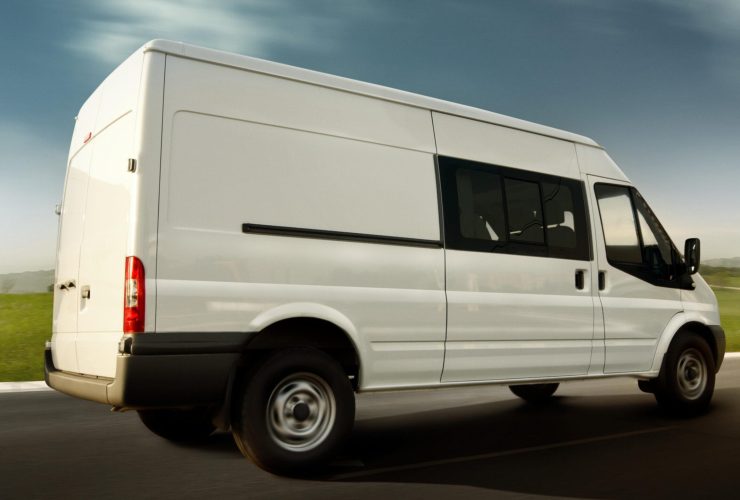
If you want to drive a minibus professionally or transport passengers legally in the UK, you will usually need a D1 licence. Whether you are looking to work in community transport, schools, care services, airport transfers, hospitality, or private hire, gaining your D1 entitlement is the route into legal minibus driving.
In this guide, we explain exactly how to get a D1 licence in the UK, what the requirements are, how much it costs, what tests are involved, and how long the process normally takes.
If you are ready to begin, you can also view our PCV Category D1 Minibus Driver Training courses or get started here.
What Is a D1 Licence?
A D1 licence allows you to drive a minibus with:
- Up to 16 passenger seats
- A maximum length of 8 metres
- A trailer up to 750kg MAM
The D1 category sits under the PCV (Passenger Carrying Vehicle) licence categories and is commonly referred to as a minibus licence.
You may need a D1 licence if you want to:
- Drive a school minibus
- Transport passengers commercially
- Work for a care home or charity
- Drive airport shuttle vehicles
- Operate community transport services
- Become a professional minibus driver
Who Needs a D1 Licence?
Most drivers who passed their standard UK car test after 1 January 1997 will need to obtain a D1 licence separately.
If you passed your driving test before 1997, you may already have D1 entitlement on your licence due to what is often referred to as “grandfather rights”. However, restrictions can apply, especially for paid or commercial driving work.
If you are unsure, check the back of your driving licence for category D1 entitlement.
How to Get a D1 Licence in the UK
Getting a D1 licence involves several stages. The process is straightforward when completed in the correct order.
Step 1 — Apply for Your D1 Provisional Licence
The first step is applying for provisional D1 entitlement through the DVLA.
You will normally need:
- A full UK car driving licence
- To meet the minimum age requirements
- A completed D2 application form
- A completed D4 medical form
The D2 form is your licence application, while the D4 form confirms you meet the medical standards required for PCV driving.
Step 2 — Complete Your D4 Medical
Before you can receive provisional D1 entitlement, you must complete a medical examination.
The medical checks areas including:
- Eyesight
- Blood pressure
- General health
- Neurological conditions
- Diabetes and medication
- Heart health
The examination can usually be completed through your GP or a specialist driver medical provider.
Step 3 — Pass Your PCV Theory Tests
Once your provisional entitlement is added, you can book your PCV theory tests.
The tests normally include:
- Multiple choice theory test
- Hazard perception test
These tests are specifically designed for passenger-carrying vehicles rather than standard cars.
Many learners choose professional training support to improve first-time pass rates.
Step 4 — Complete D1 Driver Training
Professional driver training prepares you for the practical driving test and real-world minibus driving.
During your D1 training, you will learn:
- Vehicle safety checks
- Passenger safety
- Mirror use and road positioning
- Minibus manoeuvring
- Junction management
- Urban and motorway driving
- Reversing exercises
- Eco-safe driving techniques
At 123HGV, our PCV Cat D1 Minibus Driver Training courses are designed to help learners pass confidently while building safe, professional driving habits.
Step 5 — Pass Your D1 Practical Driving Test
The final stage is the practical driving test.
This normally includes:
- Vehicle safety questions
- Off-road manoeuvres
- On-road driving assessment
- Independent driving
Once passed, you will gain full D1 entitlement.
How Much Does a D1 Licence Cost?
One of the most common questions people ask is: “How much does a D1 licence cost?”
The total cost can vary depending on:
- Your medical provider
- The amount of training required
- The training location
- Whether theory tests are included
- Retests if needed
Typical costs can include:
| Item | Estimated Cost |
|---|---|
| D4 Medical | £50 – £120 |
| Theory Tests | £37+ |
| D1 Training Course | Varies by package |
| Practical Test Fees | DVSA rates apply |
For accurate pricing and package options, visit our D1 Minibus Training page.
How Long Does It Take to Get a D1 Licence?
The full process can vary depending on test availability and how quickly you complete each stage.
In many cases, learners can complete their D1 training within a few weeks once medicals and theory tests are completed.
Fast-track options may also be available depending on location and availability.
D1 Licence vs Category D Licence
A D1 licence covers minibuses with up to 16 passenger seats.
If you want to drive full-sized buses or coaches with more than 16 passenger seats, you will need a full Category D PCV licence instead.
You can learn more about our PCV Category D Bus Driver Training courses here.
Can You Drive a Minibus Without a D1 Licence?
Some limited exemptions exist, but most professional or paid minibus driving requires D1 entitlement.
Certain volunteer drivers may qualify for exemptions depending on:
- Their age
- When they passed their car test
- Vehicle weight
- Whether passengers are being carried for hire or reward
Rules can become complex quickly, so professional advice is always recommended.
Why Choose Professional D1 Training?
Professional training dramatically improves your chances of passing first time while helping you become a safer and more confident driver.
At 123HGV, we provide:
- Experienced PCV instructors
- Modern training vehicles
- test training routes
- Support with medicals and theory tests
- Training locations across England
- Flexible course options
Whether you are starting from scratch or upgrading your licence, our team can guide you through the entire process.
Start Your D1 Licence Training Today
If you are ready to become a qualified minibus driver, 123HGV can help you every step of the way.
We offer professional D1 Minibus Driver Training courses across England, with support available for medicals, theory tests, practical training and booking your tests.
You can also get started online here and speak with our team about the best training route for you.
Frequently Asked Questions
What is a D1 licence?
A D1 licence allows you to drive a minibus with up to 16 passenger seats.
How do I get a D1 licence in the UK?
You must apply for provisional entitlement, complete a medical, pass the PCV theory tests, complete training, and pass the practical driving test.
How much does a D1 licence cost?
The total cost depends on medical fees, theory tests, training packages and practical test fees.
Can I drive a minibus on a car licence?
Some older licences include D1 entitlement automatically, but most drivers who passed after 1997 will need to obtain a separate D1 licence.
What is the difference between D1 and Category D?
D1 covers minibuses up to 16 passenger seats, while Category D covers full-sized buses and coaches.