
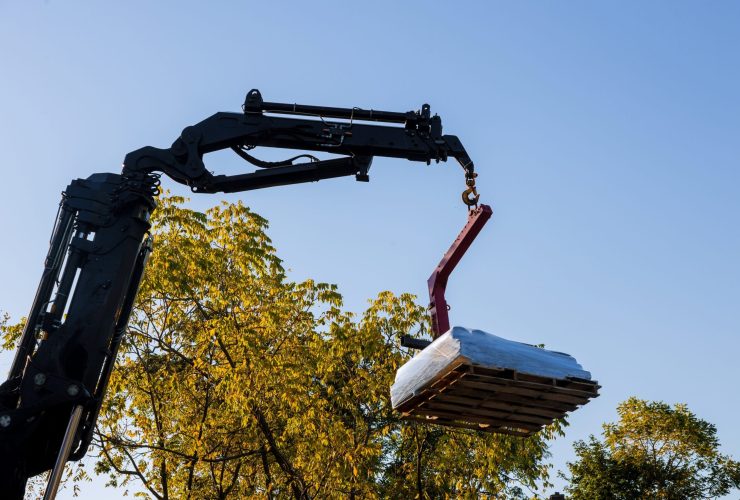
If you’ve seen lorries loading and unloading their own goods using a mounted crane, that’s a HIAB in action. And if you want to operate one, you’ll need the right training.
A HIAB licence isn’t a driving licence — it’s a specialist qualification that allows you to safely operate a lorry-mounted crane. It’s a valuable add-on for HGV drivers and can open up better-paying, more flexible job opportunities.
What Is a HIAB Licence?
“HIAB” originally comes from a brand name, but it’s now widely used to describe lorry loader cranes fitted to HGVs.
A HIAB licence (more accurately called HIAB training or certification) proves that you are trained to:
- Operate a lorry-mounted crane safely
- Load and unload materials using lifting equipment
- Work within safety regulations and site requirements
- Handle different types of loads and attachments
If you’re planning to work with these vehicles, you’ll typically need HIAB lorry loader training alongside your HGV licence.
What Vehicles Use HIAB Equipment?
HIAB cranes are fitted to a range of HGV vehicles, commonly used in industries where loading and unloading is part of the job.
You’ll often see HIABs used for:
- Builders merchants delivering materials
- Construction and groundwork projects
- Plant and machinery transport
- Roofing and structural deliveries
- Container and cabin movement
Most of these vehicles require a Category C (Class 2) licence, although some larger setups may require a Category C+E (Class 1) licence.
Who Needs a HIAB Licence?
You’ll need HIAB training if your role involves operating a crane mounted on a lorry. This includes drivers and operators in sectors such as:
- Construction and building supplies
- Logistics and transport
- Utilities and infrastructure
- Plant hire and machinery movement
Many employers will not allow you to use HIAB equipment without proper certification, even if you already hold an HGV licence.
Do You Need an HGV Licence First?
Yes — in most cases, you’ll need an HGV licence before completing HIAB training.
This is because you need to be legally allowed to drive the vehicle before you can operate the crane attached to it.
If you’re starting from scratch, your route will usually be:
- Complete HGV driver training
- Pass your practical driving tests
- Add HIAB training as a specialist qualification
What Does HIAB Training Involve?
HIAB training focuses on safe and controlled operation of the crane, not just basic use.
Training typically includes:
- Understanding crane controls and functions
- Load weight assessment and safe lifting techniques
- Stability and vehicle positioning
- Health and safety procedures
- Practical lifting exercises
Once completed, you’ll receive certification showing you are competent to operate a lorry loader crane.
Is HIAB Training Worth It?
For many drivers, adding HIAB training is a smart move.
It can:
- Increase your earning potential
- Open up more job opportunities
- Make you more valuable to employers
- Allow you to take on specialist delivery roles
HIAB-qualified drivers are often in demand, especially in construction and merchant delivery roles.
Do You Need Driver CPC for HIAB Work?
If you are driving professionally, you will usually still need a valid Driver CPC alongside your HIAB qualification.
This includes completing ongoing training such as Online Periodic CPC Training to stay compliant.
HIAB Licence vs HGV Licence – What’s the Difference?
It’s important to understand that these are two separate things:
- HGV licence: Allows you to drive the vehicle
- HIAB certification: Allows you to operate the crane
You’ll usually need both if your job involves driving and operating a lorry loader.
Ready to Get Qualified?
If you’re looking to get into HGV driving or add specialist skills like HIAB, the right training makes all the difference.
Start with your Class 2 licence or Class 1 licence, then build on it with HIAB training to increase your opportunities and earning potential.