
What Is a C1 Licence? Do I Already Have One?
The C1 licence is one of the most important yet commonly misunderstood driving entitlements in the UK. It allows you to drive vehicles weighing between 3.5 tonnes and 7.5 tonnes, opening the door to careers in emergency services, logistics, and specialist transport, as well as personal uses like driving horseboxes and motorhomes.
Many people are surprised to learn they may already have C1 entitlement on their licence, while others need to complete specific training to obtain it. Whether you’re planning a career as a paramedic, looking to drive a horsebox, or upgrading your licence for work, understanding C1 entitlement is essential.
In this guide, we’ll explain what a C1 licence is, who needs one, what vehicles you can drive, and how to get qualified through professional C1 licence training.
What Is a C1 Licence?
A C1 licence allows you to legally drive medium-sized vehicles weighing between 3,500kg and 7,500kg Maximum Authorised Mass (MAM). These vehicles are larger than standard vans but smaller than full-sized HGV lorries.
The C1 licence sits between a standard car licence (Category B) and a full HGV licence (Category C).
This licence is widely used in professional roles and specialist driving situations where vehicles exceed standard van weight limits but do not require full HGV classification.
What Vehicles Can You Drive with a C1 Licence?
The C1 licence allows you to drive a wide range of vehicles commonly used across healthcare, transport, leisure, and specialist sectors.
- Ambulances – Required for NHS paramedics and private ambulance drivers
- Horseboxes – Essential for transporting horses safely and legally
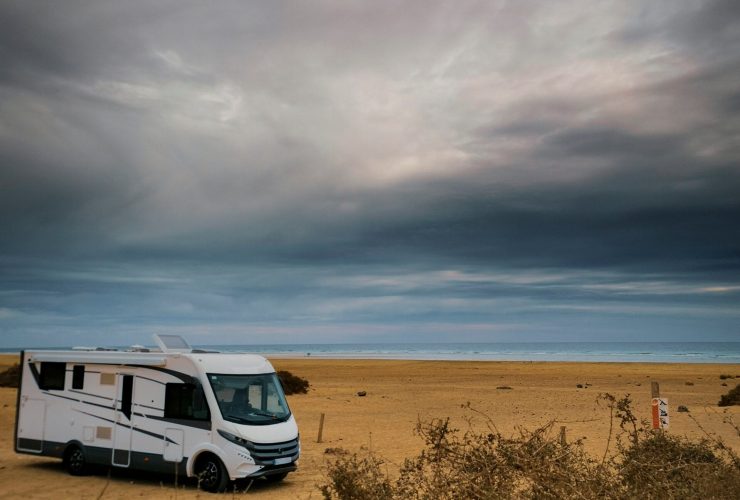
- Motorhomes and campervans – Many larger motorhomes exceed 3.5 tonnes
- 7.5 tonne delivery trucks – Used by logistics and delivery companies
- Removal vehicles – Commonly used by removals and furniture transport companies
- Utility and council vehicles – Used in maintenance, waste management, and public services
- Large commercial vans – Used in specialist transport and trades
This makes the C1 licence extremely valuable both professionally and personally.
Do I Already Have a C1 Licence?
This depends on when you passed your car driving test.
If you passed your car test before 1 January 1997:
You likely already have C1 entitlement automatically and can legally drive vehicles up to 7.5 tonnes.
If you passed your car test after 1 January 1997:
You will need to complete C1 training and pass the required tests to gain C1 entitlement.
You can check your licence by looking at the back of your driving licence card. If C1 is listed with valid dates, you already have it. If not, you will need to complete training.
Who Needs a C1 Licence?
C1 licences are essential for many careers and driving needs.
Common professions requiring C1 include:
- NHS paramedics
- Private ambulance drivers
- Emergency medical technicians
- Delivery drivers operating 7.5 tonne vehicles
- Horsebox owners transporting horses
- Motorhome owners driving large campervans
- Removal and logistics drivers
If you’re applying to become a paramedic, most NHS Trusts require a full C1 licence before employment.
Do You Need a C1 Licence for Horseboxes?
Yes. Most horseboxes exceed 3.5 tonnes, meaning a standard car licence is not sufficient. A C1 licence ensures you can safely and legally transport horses.
This is especially important for:
- Professional equestrians
- Horse owners attending competitions
- Horse transport businesses
- Private owners using larger horseboxes
Driving without proper entitlement can result in fines, penalty points, and insurance issues.
Do You Need a C1 Licence for Motorhomes?
Many larger motorhomes exceed the standard 3.5 tonne car licence limit. If your motorhome weighs more than 3,500kg, you will need a C1 licence.
This applies to many luxury motorhomes and campervans popular in the UK.
C1 entitlement allows you to travel legally and safely without restrictions.
Do Paramedics Need a C1 Licence?
Yes. Most NHS ambulance services require paramedics to hold a C1 licence because ambulances typically weigh over 3.5 tonnes.
This makes C1 training essential for anyone pursuing a career in:
- NHS ambulance services
- Private ambulance companies
- Medical transport roles
- Emergency services
You can begin paramedic-specific training through dedicated programmes such as:
- Paramedic C1 Licence Training Coventry
- Paramedic C1 Licence Training London
- C1 Licence Training Birmingham
- C1 Licence Training Wigan
- C1 Licence Training Manchester
- C1 Licence Training Liverpool
How Do You Get a C1 Licence?
If you don’t already have C1 entitlement, the process involves:
- Completing a driver medical
- Applying for provisional C1 entitlement
- Passing the C1 theory test (if required)
- Completing practical C1 driver training
- Passing the DVSA practical driving test
Professional training providers handle this entire process, making it straightforward and efficient.
How Long Does C1 Training Take?
Most C1 courses take between 1 and 3 days depending on your experience and confidence level.
Many drivers pass quickly due to the smaller vehicle size compared to full HGV licences.
Is a C1 Licence Worth It?
Absolutely. The C1 licence offers excellent career opportunities, especially in emergency services, healthcare, logistics, and specialist transport.
It also allows private drivers to legally operate horseboxes and larger motorhomes.
With strong demand for qualified drivers, C1 entitlement is one of the most valuable licence upgrades available.
Start Your C1 Licence Training Today
If you need a C1 licence for paramedic work, driving a horsebox, operating a motorhome, or professional driving, expert training is available nationwide.
You can begin your training today by visiting the C1 licence training page here and taking the next step towards qualifying.
Whether you’re starting a new career or upgrading your licence, C1 training opens the door to new driving opportunities across the UK.