
What Is an ADR Licence? Do I Need ADR Training?
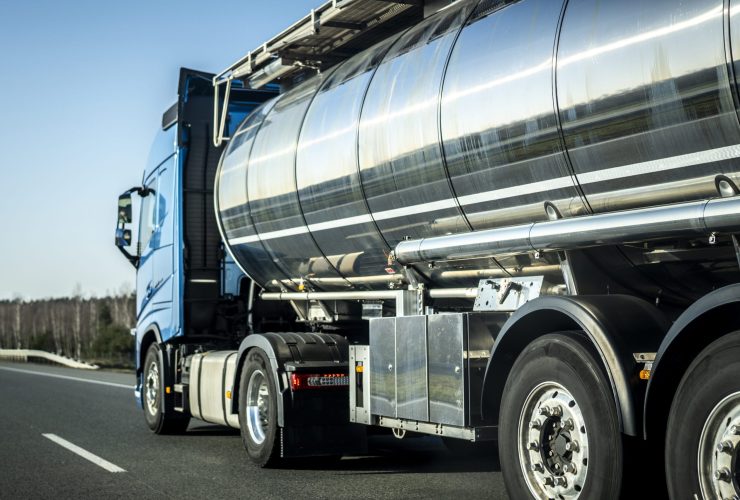
If you’ve ever seen a lorry carrying fuel, chemicals, gas cylinders, or hazardous materials, the driver behind the wheel will almost certainly hold an ADR licence. ADR training allows professional drivers to legally transport dangerous goods and is one of the most valuable specialist qualifications in the logistics industry.
With increasing demand for qualified HGV drivers across the UK, ADR certification can significantly improve your job prospects, earning potential, and long-term career opportunities. Many drivers use ADR training to move into higher-paying roles involving fuel tankers, chemical transport, and specialist logistics.
In this guide, we’ll explain exactly what an ADR licence is, who needs one, what you can transport, and how to get ADR qualified through professional training providers like ADR hazardous goods licence training.
What Does ADR Mean?
ADR stands for “Accord européen relatif au transport international des marchandises Dangereuses par Route”, which translates to the European Agreement concerning the International Carriage of Dangerous Goods by Road.
In simple terms, ADR is the legal framework that governs how hazardous materials must be transported safely on public roads. This includes strict rules covering:
- Driver training and certification
- Vehicle safety requirements
- Labelling and hazard identification
- Emergency procedures
- Handling and storage of dangerous goods
These regulations exist to protect drivers, emergency services, the public, and the environment.
What Is an ADR Licence?
An ADR licence is a professional qualification that allows HGV drivers to legally transport dangerous or hazardous goods. It is issued after completing approved ADR training and passing the required examinations.
The licence confirms that the driver understands how to safely handle hazardous loads, respond to emergencies, and comply with UK and international transport regulations.
ADR certification is recognised across the UK and Europe, making it a valuable qualification for drivers working in logistics, fuel distribution, chemical transport, construction supply, and specialist freight sectors.
What Can You Transport with an ADR Licence?
Drivers with ADR certification can transport a wide range of hazardous materials, including:
- Petrol and diesel fuel
- Gas cylinders and compressed gases
- Chemicals and industrial liquids
- Paint, solvents, and flammable liquids
- Explosives and specialist materials
- Medical and clinical waste
- Battery transport and hazardous equipment
Many high-demand driving roles, particularly tanker driving, require ADR certification.
Do I Need an ADR Licence?
You need an ADR licence if you plan to transport dangerous goods professionally. This typically applies to drivers working in industries such as:
- Fuel distribution
- Chemical transport
- Waste management
- Construction supply logistics
- Industrial manufacturing transport
- Specialist freight companies
If you’re driving standard palletised goods, retail deliveries, or general freight, ADR is not required. However, adding ADR certification opens the door to higher-paying specialist roles.
Do You Need an HGV Licence Before ADR Training?
Yes. ADR is an additional qualification that sits on top of your existing HGV licence. Most ADR drivers hold one of the following:
- Class 1 (Cat C+E) licence – articulated lorries
- Class 2 (Cat C) licence – rigid lorries
- C1 licence – vehicles up to 7.5 tonnes
If you don’t yet have your HGV licence, you can begin your journey through professional driver training available across the UK, including:
- HGV Training Greater Manchester
- HGV Training West Midlands
- HGV Training Yorkshire
- HGV Training Scotland
- HGV Training Wales
What Does ADR Training Involve?
ADR training teaches drivers how to safely transport hazardous goods while complying with strict legal and safety requirements.
The course typically covers:
- Hazard identification and classification
- Vehicle safety requirements
- Emergency procedures
- Driver responsibilities
- Environmental protection
- Handling and transporting dangerous goods safely
Drivers must pass exams to receive their ADR Driver Qualification Card.
How Long Does ADR Training Take?
ADR courses usually take between 3 and 5 days, depending on the modules selected. Drivers can choose general packages or specialist tanker training depending on their career goals.
Once completed, your ADR licence is valid for five years, after which refresher training is required to renew certification.
How Much Do ADR Drivers Earn?
ADR-qualified drivers typically earn more than standard HGV drivers due to the specialised nature of the work.
Typical ADR driver salaries in the UK include:
- £35,000 to £45,000 per year for general ADR drivers
- £40,000 to £55,000 per year for tanker drivers
- Higher rates available for fuel transport and specialist roles
ADR training is one of the fastest ways to increase your earning potential as a professional driver.
Is ADR Training Worth It?
For many HGV drivers, ADR training is an excellent investment. It increases job opportunities, improves earning potential, and allows drivers to work in specialised sectors that are always in demand.
ADR-qualified drivers are highly valued by employers, particularly in fuel, logistics, chemical transport, and industrial sectors.
How to Get Your ADR Licence
The process to become ADR qualified is straightforward:
- Hold a valid HGV licence
- Complete approved ADR training
- Pass the required exams
- Receive your ADR Driver Qualification Card
You can begin your training and get expert support by visiting the ADR licence training page here.
Start Your ADR Training Today
If you’re ready to increase your earning potential and access specialist driving roles, ADR training is one of the best qualifications you can add to your licence.
Whether you’re newly qualified or an experienced HGV driver, ADR certification opens doors to better-paid roles and long-term career growth.
Click here to get started with ADR training today and take the next step in your professional driving career.