
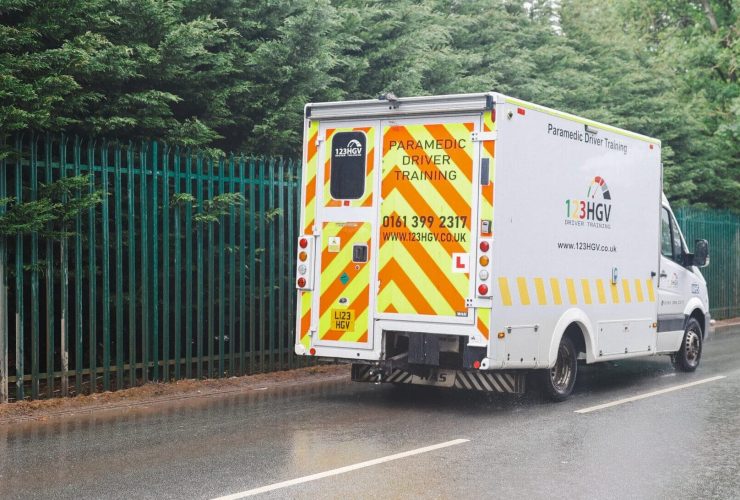
The C1 licence remains one of the most valuable yet misunderstood driving entitlements in the UK. In 2026, it continues to play a crucial role in emergency services, healthcare transport, logistics and specialist driving roles.
Whether you’re aiming to become a paramedic, ambulance driver or operate 7.5-tonne vehicles professionally, understanding the career paths available with a C1 licence can help you make the right long-term decision.
What Is a C1 Licence?
A C1 licence allows drivers to operate vehicles between 3.5 and 7.5 tonnes. It is commonly required for ambulance drivers, paramedics, healthcare transport roles and certain commercial driving positions.
Many drivers begin by researching the cost of a C1 licence before deciding whether it fits their career goals.
C1 Licences and Paramedic Careers
For anyone entering the emergency services, the C1 licence is often essential. Paramedics and ambulance drivers regularly operate 7.5-tonne vehicles, making this qualification a key requirement.
Specialist paramedic C1 licence training is designed to prepare drivers for the unique demands of emergency response driving, including vehicle control, awareness and compliance.
Training routes are available across the UK, including:
Other Careers That Require a C1 Licence
While emergency services are the most well-known route, a C1 licence also opens doors to other industries.
These include:
- Private ambulance and patient transport services
- Medical logistics and supply vehicles
- Horsebox and specialist vehicle driving
- Regional delivery roles operating 7.5-tonne trucks
Drivers working in the North West often explore options such as C1 licence training in Manchester or C1 training in Preston depending on availability.
How Long Does a C1 Licence Last?
C1 licences must be renewed periodically, particularly for professional and medical driving roles. Drivers are required to complete medical checks to maintain eligibility.
This makes structured training providers particularly valuable, as they can support both initial qualification and ongoing compliance.
C1 vs Moving on to HGV
Some drivers use the C1 licence as a stepping stone before progressing into full HGV roles.
Others remain within healthcare or specialist transport long-term, valuing the stability and purpose-driven nature of the work.
Understanding where C1 fits within the wider professional driving landscape can help drivers decide whether to remain specialised or transition into broader HGV driver training later in their career.
Choosing the Right Training Route
Every career path is different. Some learners need fast-tracked medical-focused training, while others require more in-depth preparation.
If you’re unsure which route suits you best, our team can guide you through the options and help you build a training plan aligned with your goals.
Next step: Visit our Get Started page to discuss C1 and paramedic licence training options.