
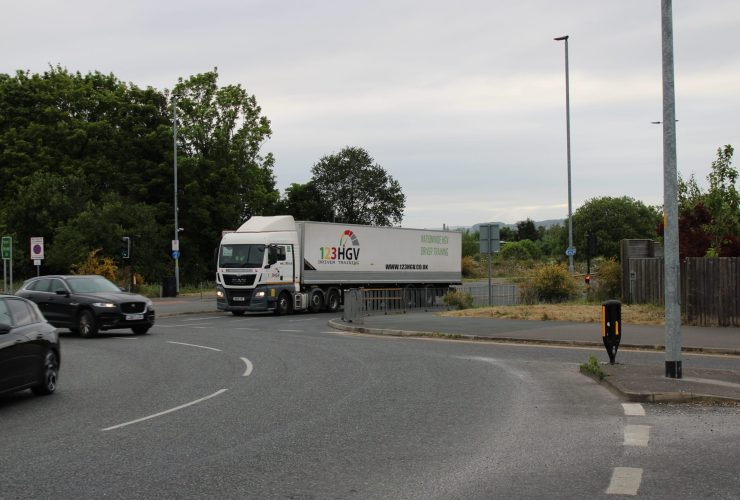
As we move towards 2026, one thing remains clear: the UK still has a strong and ongoing demand for qualified HGV drivers. While recruitment levels have stabilised since the post-pandemic surge, the need for professionally trained drivers has not disappeared.
In fact, for many sectors, demand is increasing as businesses focus on reliability, compliance, and driver quality rather than short-term fixes.
Why HGV Drivers Will Still Be in Demand in 2026
Several key factors are keeping demand high:
- An ageing driver workforce approaching retirement
- Increased logistics requirements from online retail
- Ongoing construction and infrastructure projects
- Tighter compliance around CPC, ADR and specialist licences
This is why many people continue to explore HGV driver training as a long-term career option, especially those entering the industry for the first time via professional routes such as HGV driver training courses offered nationwide.
Logistics and Distribution Remain the Biggest Employers
Retail distribution centres, third-party logistics firms, food distribution, and general haulage continue to drive recruitment. The supply chain is now expected to be faster, more transparent, and more dependable — and that requires trained drivers who understand modern standards and safe working practices.
If you’re already working in transport (or looking to move into it), this is exactly why structured training matters. A recognised qualification can open doors quickly and gives employers confidence that you’re ready for the job from day one.
Local and Regional Demand Isn’t Going Anywhere
One of the most overlooked parts of HGV demand is how much of it is regional. Even when the national picture changes, local networks still need drivers for multi-drop, pallet work, trunking, and site deliveries.
That’s why people often start by searching for training options close to where they live — whether that’s HGV driver training in Barnsley, HGV driver training in Corby, or areas with strong logistics corridors like HGV driver training in Milton Keynes.
Even if you’re flexible on location, seeing where employers are hiring can help you choose the best route into the industry.
Specialist Licences Can Increase Your Options
For some drivers, the biggest opportunities in 2026 will be in specialist work — roles that require additional training or qualifications beyond a standard licence. These can include:
- Construction supply runs and site-based deliveries
- Hazardous goods transport
- Vehicles with additional equipment, such as lorry loaders
If you want to keep your career options broad, it’s worth understanding what’s available and how different qualifications affect the work you can do. Our HGV and PCV training locations page is a good starting point if you’re choosing where to train.
How to Set Yourself Up for Success in 2026
Demand is one thing — but being employable and confident on the road is what matters most. The best approach is to train properly, build real-world confidence, and take the time to understand what employers expect.
If you’re currently considering training, start by reading about why now is the perfect time to become an HGV driver, then explore the course route that matches your goals.
Whether you’re aiming for a long-term career change or moving into a better-paid transport role, 2026 is shaping up to be a strong year to get qualified — particularly if you train with a provider that can support you through medicals, theory, CPC, and practical elements all under one roof.
Tip: If you’d like a quick recommendation on the most suitable route based on your experience and goals, start with our Get Started page and we’ll point you in the right direction.